Licensing and safety for wedding florists in Ilford venues
Posted on 13/10/2026
Planning flowers for a wedding sounds romantic, and it is, but once you are working inside real venues in Ilford, there is a very practical side to it as well. Licensing and safety for wedding florists in Ilford venues can affect everything from when you can deliver, to where you can store stems, to whether a ceremony aisle is actually safe once the room fills up with guests, cables, candles, and a photographer trying to get the perfect angle. In other words: the beautiful part and the sensible part have to work together.
This guide walks through the essentials in plain English. You will see what venues usually expect, how florists reduce risk, what compliance typically means in a wedding setting, and how to avoid the little issues that can turn into awkward delays on the day. Truth be told, a tidy safety plan often makes the floral work feel calmer too.
And yes, there is still plenty of room for creativity. Good floristry should feel effortless to the couple. The safety side just keeps that effort from becoming visible in the wrong way.
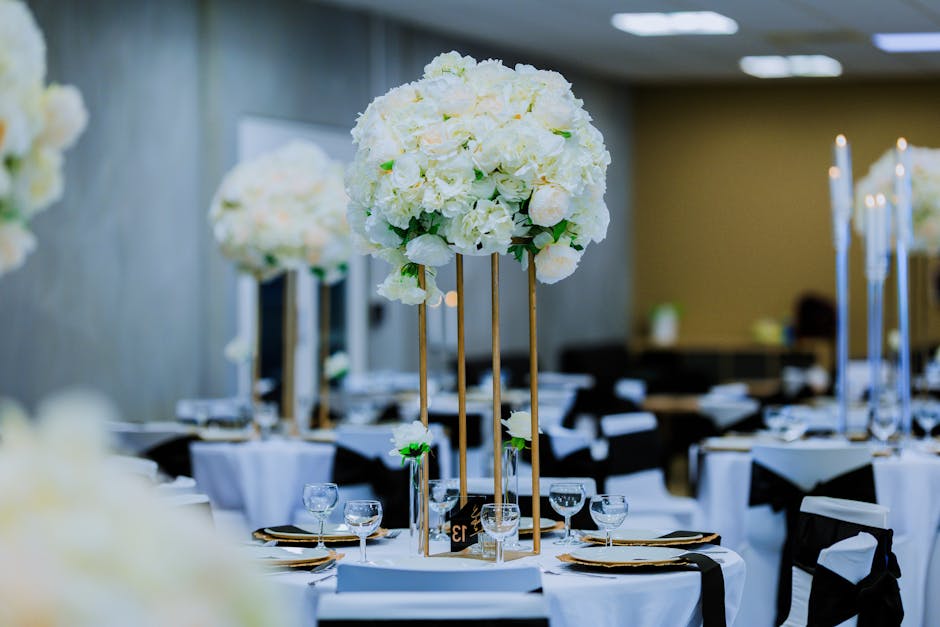
Why Licensing and safety for wedding florists in Ilford venues Matters
Wedding flowers are not just decorative. In a venue, they become part of the physical environment. That means they can affect walkways, exits, tables, stair rails, ceremony layouts, lighting, access for staff, and sometimes even the operation of other suppliers. A floral arch in the wrong place may look lovely in a preview photo and still be a nuisance when guests need to pass through quickly.
Ilford venues vary a lot. Some are compact function rooms with tight turnaround windows. Others are larger hotel ballrooms or community spaces where multiple suppliers arrive at once. The bigger the event, the more likely it is that safety questions come up: where can delivery vans stop, who can use lifts, are floral stands stable, are open flames allowed, and what happens if wet stems drip onto polished floors?
Licensing matters too, although not in a one-size-fits-all way. A florist usually is not "licensed" in the same way a bar or entertainment act might be, but venues often operate under their own permissions and rules. They may require proof of public liability insurance, method statements for larger installations, or confirmation that materials used indoors are suitable for the space. Some also need advance approval for installations that attach to walls, ceilings, or fixtures.
Why does this matter so much? Because weddings run on timing. If a venue manager has to stop the setup to check a risk issue, that can ripple through the whole day. Better to sort the practical side early than have the bride's bouquet waiting in a back corridor while everyone looks a bit tense. Nobody wants that. Not on a day like this.
Expert summary: In wedding floristry, safety is not a boring extra. It is part of the service. The best florists protect the couple's vision while quietly protecting guests, staff, and the venue itself.
How Licensing and safety for wedding florists in Ilford venues Works
In practice, this process is a mix of venue rules, supplier coordination, and common-sense risk control. The florist usually starts by asking a few basic questions: what kind of venue is it, what access is available, what time is load-in, and are there any restrictions on materials or installation methods? That sounds simple, but those answers shape almost everything else.
For example, a church hall may allow freestanding arrangements but ask that nothing be fixed to historic surfaces. A hotel might be happy with tall aisle features as long as they do not block sightlines or emergency routes. A marquee setup may need extra attention because the ground can be uneven, especially if the weather has been unhelpful. And let's face it, in the UK weather does enjoy making an appearance.
Venue safety checks usually involve the following:
- confirming access times and unloading points
- checking where floral items may be placed
- reviewing any restrictions on candles, haze, smoke, water features, or adhesives
- making sure arrangements are stable and not easy to tip
- protecting floors, walls, and fixtures from water, foam, pins, or residue
- coordinating with other suppliers so setups do not clash
Licensing-related conversations tend to be indirect but important. A florist may need to work within venue occupancy rules, fire safety requirements, and insurance expectations. If a design is ambitious, it is worth checking whether it needs sign-off from the venue manager before the wedding week. The day-before scramble is not the time to discover that a floral meadow runner is too wide for the aisle.
Many professional florists also create their own setup notes. These may include photos of the proposed installation, dimensions, handling instructions, and a small rundown of who is responsible for what. It sounds a bit formal, but honestly it saves stress. A neat note can prevent a messy misunderstanding.
Key Benefits and Practical Advantages
Getting the licensing and safety side right brings some very real benefits, not just compliance points on paper. First, it protects guests. Wedding guests are busy, distracted, and often wearing shoes that are not ideal for dodging trailing ribbon or hidden water trays. A safe layout simply makes the event easier to move through.
Second, it protects the florist's reputation. In this business, people remember whether a setup felt polished and well managed. They also remember if staff had to keep moving a flower arch out of a fire exit or if petals made the dance floor slippery just before speeches. Small things. Big memory.
Third, it reduces last-minute disruption. A venue that trusts a florist's planning is much more likely to allow smooth access and flexible working. That can make a huge difference when the setup window is only an hour or two and there are three suppliers all arriving at once.
There are commercial advantages too. Couples increasingly want suppliers who look organised, communicate clearly, and understand venue expectations. If a florist can talk confidently about safe installation, insurance, and practical venue coordination, that builds trust quickly. It does not need to sound stiff. Just calm, clear, and ready.
In our experience, this is one of those behind-the-scenes strengths that couples may not ask about directly, but they absolutely feel it when it is done well.
| Area of concern | What good practice looks like | Why it matters |
|---|---|---|
| Venue access | Pre-booked unloading, clear arrival times, lifted items handled safely | Prevents delays and accidental damage |
| Installations | Stable structures, approved fixings, safe heights and widths | Reduces risk to guests and property |
| Materials | Appropriate containers, clean water handling, fire-safe awareness | Supports venue compliance and tidy presentation |
| Coordination | Shared schedules with planners, caterers, and venue staff | Stops supplier clashes and awkward handovers |
Who This Is For and When It Makes Sense
This topic matters for a few different people. If you are a wedding florist working in Ilford venues, it is relevant every time you take a booking. If you are a couple hiring a florist, it matters because it tells you whether your supplier is likely to work smoothly with the venue. If you are a venue manager, it helps you decide what to ask for and what to expect from external suppliers.
It makes especially good sense in these situations:
- large bridal installations or floral arches
- venues with heritage interiors or delicate finishes
- events with tight setup and takedown windows
- multisupplier weddings where timing is already stretched
- venues with strict fire, access, or loading rules
- outdoor ceremonies where wind, rain, or uneven ground may affect stability
A smaller bouquet delivery can be straightforward. A full ceremony-and-reception floral design with table centres, aisle pieces, hanging features, and buttonholes is a different beast altogether. The more moving parts there are, the more valuable a proper safety process becomes.
If your work includes bespoke wedding pieces, you may also find it helpful to review our wedding collection and related bridal designs such as bridal bouquets and table arrangements when planning a venue-safe range of options.
Step-by-Step Guidance
Here is a practical way to handle licensing and safety without overcomplicating it. Keep it simple, but not sloppy.
- Ask for the venue brief early. Before the quote is final, find out the venue type, access times, loading arrangements, and any decoration rules. A quick five-minute conversation can save a lot of faff later.
- Check the installation scope. Are you providing hand-tied bouquets only, or also statement pieces, pew ends, staircase arrangements, hanging florals, and table runners? The bigger the scope, the more detail you need.
- Confirm any restrictions. Ask about adhesives, candles, open water, floor protection, fixings, and whether any surfaces are off-limits. Some venues are relaxed. Others are very specific. Both are fine, as long as you know in advance.
- Prepare a simple risk review. Note possible hazards such as unstable stands, trailing ribbons, wet floors, heavy items, or blocked exits. Keep it practical rather than legalistic.
- Share setup details with the venue. Send dimensions, installation methods, and arrival times. If needed, include photos or a layout sketch. Even a basic visual helps everyone get on the same page.
- Plan for transport and carrying. Use secure boxes, non-slip surfaces in vans, and enough hands for larger items. A floral arch is not the thing to carry one-handed while holding your phone and a latte. We have all seen that story end badly.
- Protect the venue during setup. Use clean cloths, water-resistant trays, and sensible wrapping. Avoid drips, scratches, and unnecessary clutter in working areas.
- Do a final walk-through. Once installed, check sightlines, exits, stability, and any loose materials. Then step back and look at it as a guest would. It is surprising what becomes obvious from the doorway.
If you are a couple reading this, ask your florist whether they already use a venue checklist. If they do, brilliant. If not, that is not a disaster, but it is worth encouraging. Weddings are too expensive to leave to memory alone.
Expert Tips for Better Results
One of the best habits is to design with the venue in mind, not just the mood board. A centrepiece that looks amazing in a studio may be too tall for a low-ceiling room or too wide for a narrow banquet table. Small adjustments make the whole day feel smoother.
Another useful habit is to use materials that travel well. Some flowers are naturally more delicate than others, and some designs behave better in heat, cold, or long holding periods. A florist who knows how their stems will behave during transport is already halfway there. That knowledge is worth a lot on a busy wedding morning.
Try to build in a buffer. That could mean extra water, extra ribbon, extra pins, or an extra 20 minutes in the schedule. It sounds cautious, but time buffers are one of the easiest ways to reduce stress. The venue lights are going up, the registrar is asking questions, the photographer is circling, and somehow everyone needs you at once. A buffer helps.
Here are a few tips that experienced florists tend to use:
- arrive with separate kits for ceremony, reception, and emergency fixes
- label items clearly so staff can place them correctly if needed
- choose sturdy containers for table flowers and transport them upright
- keep a small tool kit for pinning, cleaning, and last-minute adjustment
- take quick photos of each completed arrangement before leaving
That last one is simple but powerful. If a question comes up later, you have a clear record of what was installed and how it looked. Handy, and a little reassuring too.
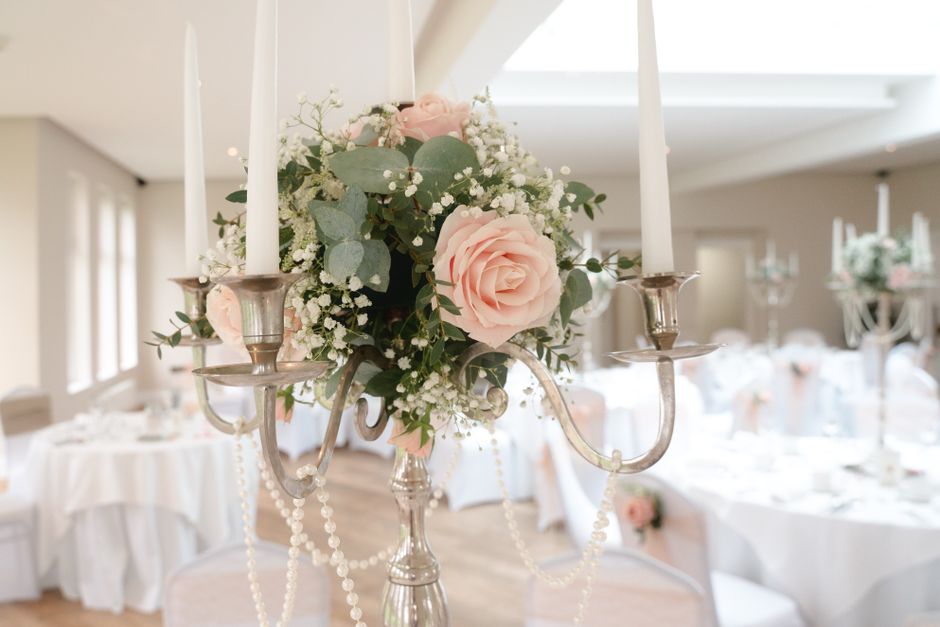
Common Mistakes to Avoid
Most problems in wedding floristry do not come from dramatic failures. They come from small assumptions. The venue will probably have space. The floor will probably be flat. The floral arch will probably fit through the door. Probably is doing a lot of work there.
One common mistake is not checking access properly. A florist might plan for a direct entrance and then discover there is a narrow service corridor, a lift with weight limits, or a loading bay shared with catering. That can throw the whole setup timing off.
Another mistake is using decoration methods that have not been approved. Sticky fixings, unsecured structures, or hanging pieces without sign-off can all cause trouble. Not because venues are trying to be difficult, but because they are responsible for the safety of the whole space.
Other frequent mistakes include:
- placing arrangements too close to exits or walkways
- ignoring trip hazards from ribbons, cords, or boxes
- failing to protect floors from water spills
- assuming one design will work in every room
- not confirming who removes the flowers after the event
The last one is easy to overlook. After the couple leaves, everyone is tired, the room is half-cleared, and the flowers are still there looking beautiful and slightly lost. It is worth agreeing takedown responsibility in advance.
Tools, Resources and Recommendations
You do not need a mountain of equipment to manage venue safety well. What helps most is having a repeatable system. A simple checklist, a few standard forms, and organised kit bags can make your work feel much more professional.
Useful items often include:
- a venue information sheet
- a transport and setup checklist
- non-slip mats or protective coverings where suitable
- sturdy carriers and water-safe containers
- basic tools for securing stems and adjusting installations
- labelled storage for buttonholes, bouquets, and table pieces
Digital tools can help too. A shared calendar, a simple diagram app, or even a well-organised photo folder is often enough. You do not need fancy software if the system is disciplined. Fancy software looks impressive for about five minutes; tidy records help for the whole season.
When it comes to product selection, it can help to think practically as well as aesthetically. For example, if you are planning a cohesive wedding look, browsing buttonholes, bridesmaid bouquets, and corsages alongside the main floral pieces can make it easier to keep the whole design consistent and manageable.
For more general support around presentation and flower handling, the site's flower care guidance can also be useful when you want arrangements to hold up well through transport and a long wedding day.
Law, Compliance, Standards, or Best Practice
In the UK, wedding florists generally have to think in terms of duty of care, venue rules, and common-sense risk management rather than a single florist-specific licence. That said, the practical expectation is still real: if you are bringing equipment, staff, and decorative structures into a venue, you should be able to show that you have considered safety properly.
Depending on the venue and the work involved, the following may be relevant:
- public liability insurance, where expected by the venue
- general health and safety awareness for installers and delivery staff
- fire safety rules, especially around exits and flammable materials
- manual handling precautions for heavier floral items
- venue-specific terms about fixings, access, and responsible takedown
Best practice also includes documenting anything unusual. If the install involves height, overhead features, or large structures, it is sensible to write down the method and any limitations. That protects both the florist and the venue if questions arise later. Again, not glamorous, but very useful.
For couples and planners, the easiest way to stay safe is to choose a florist who talks openly about setup details instead of brushing them aside. Good compliance is rarely flashy. It feels calm. Clear. A bit boring, maybe. But in weddings, boring can be wonderful.
Options, Methods, or Comparison Table
Different venues and different floral styles call for different approaches. Here is a simple comparison of common methods used in Ilford wedding setups.
| Method | Best for | Safety considerations | Practical note |
|---|---|---|---|
| Freestanding arrangements | Ceremony entrances, table focal points | Needs stable bases and clear walkways | Usually the simplest option for venues with strict rules |
| Table arrangements | Reception dining areas | Watch for spill risk and sightline obstruction | Good balance of impact and control |
| Attached or fixed features | Arches, rails, photo backdrops | Requires venue approval and secure fixing methods | Best for larger budgets and experienced installers |
| Portable bridal party pieces | Bouquets, buttonholes, corsages | Low venue risk if transported carefully | Usually straightforward, but still needs timing control |
For many weddings, a mix of these methods is the sweet spot. A couple might choose portable bridal designs for flexibility and use stable table pieces for impact. That way, the overall look is strong without turning the venue into an obstacle course.
Case Study or Real-World Example
Here is a realistic example from a typical Ilford venue scenario. A florist is asked to dress a ceremony room, reception tables, and the top table for an evening celebration. The venue has a short turnaround between a daytime hire and the wedding, so access is tight. The floral brief is elegant, with soft white tones and a few taller features near the ceremony entrance.
Instead of arriving with a single vague plan, the florist maps the setup by area. The ceremony features are made freestanding so no fixing is needed. Table arrangements are kept low enough to preserve conversation and sightlines. Water containers are checked for stability. The venue confirms which doors can be used for unloading and asks that the floral arch stays clear of emergency routes. The florist adjusts the layout slightly, and it all fits.
Nothing dramatic happens. Which is exactly the point.
The couple sees the finished room and gets the polished look they wanted. The venue team is happy because there are no access issues or damage concerns. The florist leaves on time, with the setup documented and the takedown plan already agreed. That is a good wedding day from a working point of view: calm, elegant, and uneventful in the best possible sense.
Sometimes the best success story is the one nobody notices. No fuss, no panic, just flowers doing their job beautifully.
Practical Checklist
Use this checklist before every wedding venue setup. It is short enough to be realistic, which matters more than trying to be exhaustive and never using it.
- Confirm the venue name, address, and contact person
- Check access times, loading arrangements, and parking rules
- Ask about venue restrictions on fixings, candles, and water use
- Review the layout for exits, walkways, and guest movement
- Make sure all floral structures are stable and appropriate for the room
- Protect floors, furniture, and finishes during setup
- Coordinate with other suppliers so timing does not clash
- Keep your tools, tape, pins, and cleaning materials organised
- Photograph completed installations before leaving
- Agree who removes or collects flowers after the event
If you can tick these off without rushing, you are already doing well. And if one or two items need refining, that is normal too. Better a small checklist than a grand theory nobody follows.
Get a free quote today and see how much you can save.
Conclusion
Licensing and safety for wedding florists in Ilford venues is really about confidence. Confidence for the venue, confidence for the couple, and confidence for the florist carrying boxes of blooms through a side entrance at 8:00 in the morning. When the process is handled well, nobody has to think about it much at all. The flowers just arrive, settle in, and make the room feel special.
That is the goal. Not perfection, just good professional control around a beautiful craft. Get the venue details early, keep your setup practical, and treat safety as part of the design rather than something separate from it. The result is smoother, safer, and frankly, far less stressful. A wedding day already has enough moving parts.
Done thoughtfully, this part of the job becomes a quiet strength. And those are often the best strengths of all.
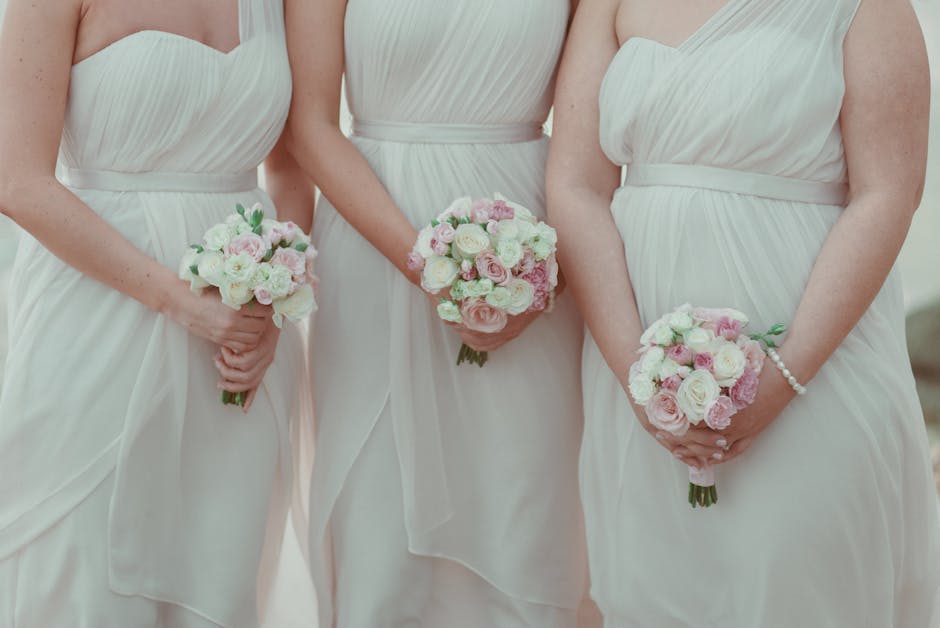
Frequently Asked Questions
Do wedding florists in Ilford venues need a special licence?
Usually, a florist does not need a special florist licence just to deliver and install wedding flowers. What matters more is meeting venue requirements, following health and safety expectations, and having the right insurance if the venue asks for it.
What safety documents should a wedding florist provide?
That depends on the venue and the scale of the work, but a simple setup plan, a basic risk review, and proof of insurance are often the most useful. For larger installations, a venue may want more detail on fixing methods, timing, and access.
Are candles and flowers allowed together in Ilford wedding venues?
Sometimes yes, sometimes no. It depends on the venue's fire rules and how close the candles are to flowers, fabric, and guest areas. Always ask the venue first rather than assuming the look is acceptable.
How do florists keep wedding flowers safe during transport?
They usually use secure boxes, upright containers, careful packing, and a van layout that stops movement. Delicate pieces are often kept separate from heavy items. In simple terms: if it can slide, it probably will unless you stop it.
What should couples ask their florist about venue safety?
Ask whether they have worked in venues like yours, how they handle setup, whether they know the venue rules, and if they provide a plan for larger arrangements. Those questions tell you a lot very quickly.
Can a florist attach flowers to walls, arches, or railings?
Only if the venue allows it and the fixing method is suitable for the surface. Some venues are fine with certain attachments, while others want everything freestanding. Always get approval before installation day.
Is public liability insurance important for wedding florists?
It often is, especially because venues may ask for it before allowing setup. Insurance does not replace good practice, but it adds an important layer of reassurance for the florist and the venue.
How far in advance should safety details be agreed with the venue?
The sooner the better. For standard weddings, it is sensible to discuss access and setup rules during planning. For larger or more complex floral designs, confirm the details well before the week of the event.
What are the biggest safety risks in wedding floristry?
Common risks include blocked exits, unstable structures, wet floors, trailing materials, and clashes with other suppliers. None of these are dramatic on their own, but together they can cause real problems.
Do small bouquet deliveries need the same level of planning?
Not to the same extent, but some planning is still wise. Even a simple delivery benefits from clear timing, correct handling, and knowledge of venue access, especially if the couple is getting ready on site.
What if the venue changes the layout at the last minute?
It happens. Wedding plans are not always steady, are they? The best response is to keep some flexibility in the design and have a quick decision process for where pieces can be moved safely without losing the overall look.
How can a florist make safety feel elegant, not restrictive?
By planning in a way that supports the design rather than interrupting it. Stable arrangements, tidy transport, and clear communication create a smoother experience. The couple sees the beauty. The venue sees the professionalism. Everyone wins, really.